Compressed Air System Checklist.
Skipping compressed air system maintenance is a lot like skipping oil changes on a car — nothing goes wrong immediately, but when it does, it hits hard and costs far more than the maintenance would have. A structured compressed air system maintenance routine is one of the simplest ways to prevent unexpected downtime, protect your equipment investment, and keep energy costs under control.
This guide breaks down exactly what a proper compressed air system maintenance checklist should cover, organized by how often each task needs attention.
Why Compressed Air System Maintenance Matters ?
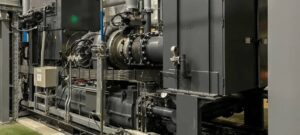
A compressed air system is made up of several interconnected components — the compressor, air dryer, filters, pressure regulators, air receiver tank, and the distribution piping that carries air to every point of use. Each one plays a role in performance, and neglecting any single component eventually drags down the whole system.
Regular compressed air system maintenance delivers three concrete benefits:
- Fewer unplanned breakdowns — most compressor failures show early warning signs (unusual noise, vibration, rising temperatures) that get caught during routine inspection.
- Lower energy costs — clogged filters, worn belts, and undetected leaks all force the compressor to work harder for the same output.
- Cleaner, drier air — moisture and contamination in your air supply damages tools, fouls paint jobs, and creates rework, especially in production environments.
Daily Compressed Air System Maintenance Tasks
- Drain condensate from the compressor, air receiver tank, dryers, and low points in the distribution system. Water accumulation left unchecked leads to rust and corrosion inside the system.
- Check hoses, pipes, and fittings for visible leaks or wear — repair anything found immediately rather than deferring it.
- Visually inspect the compressor for oil leaks, unusual vibration, or abnormal noise.
- Check the oil level on oil-lubricated compressors and top up if needed.
Weekly Compressed Air System Maintenance Tasks.
- Inspect air filters for clogs and clean or replace as needed to maintain airflow and efficiency.
- Check for leaks across the distribution network — a quick walk-through with an ultrasonic detector catches issues before they compound. Our guide on compressed air leak detection covers this process step by step.
- Monitor pressure levels at multiple points in the system to catch abnormal drops early.
- Check safety systems, including pressure relief valves, to confirm they’re functioning correctly.
Monthly Compressed Air System Maintenance Tasks.
- Inspect belts and pulleys for wear and correct tension.
- Check bearings and moving parts for proper lubrication.
- Clean coolers — dirt and particle buildup on cooler surfaces reduces heat dissipation, which raises operating temperatures and shortens component life.
- Review your maintenance log for recurring issues that might point to a bigger underlying problem, such as chronically undersized piping.
Annual Compressed Air System Maintenance Tasks.
- Full inspection of air dryers and separators, including replacing filter elements and deep cleaning internals.
- Comprehensive leak audit across the entire distribution network, not just spot-checks.
- Review system capacity against current demand — if your facility has added equipment since installation, this is the time to confirm your piping is still correctly sized. Our air pipe sizing guide explains how to recalculate this.
- Inspect piping condition, especially on older steel networks, for internal corrosion and scale buildup that gradually restricts airflow.
Building a Maintenance Routine That Actually Gets Followed
A checklist only works if it’s used consistently. A few practical tips:
- Assign ownership — one person or team responsible for each frequency tier (daily, weekly, monthly, annual).
- Keep records — log the date, what was checked, and any issues found. This creates a history that makes it easy to spot recurring problems.
- Set calendar reminders or use a CMMS (Computerized Maintenance Management System) if you want a fully digital, trackable process.
- Review and update the checklist whenever equipment changes, since manufacturer recommendations vary by make and model.
Where Maintenance Overlaps with Piping Choice ?
A significant share of ongoing compressed air system maintenance exists specifically to manage problems that traditional steel piping creates over time — internal corrosion, scale buildup, and threaded joints that loosen and leak. Facilities running modular aluminium piping, covered in our post on aluminium compressed air piping, typically spend far less time on piping-related maintenance since the material doesn’t corrode internally and push-fit connections don’t loosen the way threaded steel joints do.
Final Thoughts
Compressed air system maintenance doesn’t need to be complicated — it needs to be consistent. A clear daily, weekly, monthly, and annual routine catches small problems before they become expensive ones, keeps energy costs predictable, and protects the lifespan of your entire system, from the compressor room to the last point of use.
Quickair’s modular aluminium piping systems are built to reduce the maintenance burden that comes with aging steel networks. Talk to our team about auditing your current system or planning an upgrade.