
PVC Pipe for Compressed Air: Is It Safe for Industrial Applications?
PVC pipe for compressed air is sometimes considered for compressed air distribution because it is lightweight, affordable, and easy to install. However, compressed air systems operate under pressure, and selecting the correct piping material is important for workplace safety, reliability, and long-term performance.
For industrial compressed air systems, purpose-designed aluminium piping is generally a more suitable solution than conventional PVC piping. Aluminium compressed air piping offers lightweight construction, corrosion resistance, easy installation, and reliable connections for modern compressed air distribution networks.
What Is PVC Pipe for Compressed Air?
PVC pipe for compressed air refers to polyvinyl chloride piping used to transport compressed air from a compressor to different points of use. PVC pipes are commonly used for water, drainage, and other low-pressure applications, but compressed air creates different safety requirements.
Compressed air stores significant energy. If a pressurized plastic pipe fails, it can fracture and release stored energy rapidly, creating a potential workplace hazard.
Is PVC Pipe Safe for Compressed Air?
Using standard PVC pipe for compressed air requires careful consideration because PVC is not generally the preferred material for industrial compressed-air distribution.
The suitability of any piping system depends on the pipe manufacturer’s specifications, pressure rating, temperature, installation conditions, and applicable safety requirements.
Before using PVC for compressed air, always check the manufacturer’s documentation and applicable local workplace safety requirements. Do not assume that a PVC pipe rated for water is automatically suitable for compressed air.
Why Is PVC Pipe for Compressed Air a Concern?
There are several reasons why conventional PVC piping may not be the preferred choice for compressed-air systems.
Pressure and Stored Energy
Compressed air contains stored energy. A failure in a pressurized pipe can release this energy suddenly, making material selection an important safety consideration.
Brittleness and Impact Damage
PVC can become more vulnerable to cracking or impact damage depending on temperature, age, UV exposure, and operating conditions. A damaged pipe can create a serious failure risk when pressurized.
Temperature Limitations
Compressed air systems can experience elevated temperatures, especially near the compressor outlet. PVC has temperature limitations that must be considered before installation.
Long-Term Industrial Reliability
Industrial compressed-air networks require piping that can withstand continuous operation, mechanical stress, pressure fluctuations, and demanding working environments.
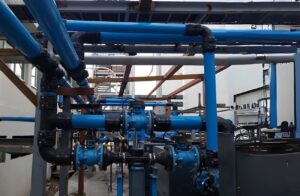
PVC Pipe vs Aluminium Compressed Air Piping
Aluminium compressed air piping is specifically designed for compressed-air distribution and is widely used in modern industrial installations.
Feature | PVC Pipe | Aluminium Compressed Air Piping |
Lightweight | Yes | Yes |
Corrosion resistance | Good | Excellent |
Industrial compressed-air use | Application dependent | Designed for compressed air |
Installation | Easy | Easy |
Modular system | Limited | Yes |
Push-fit connections | Depends on system | Available |
Modification/Expansion | More difficult | Easy |
Professional industrial appearance | Moderate | Excellent |
Long-term compressed-air distribution | Application dependent | Highly suitable |
Advantages of Aluminium Compressed Air Piping
Aluminium compressed air piping provides several advantages for industrial compressed-air distribution systems.
Lightweight Construction
Aluminium pipes are lightweight compared with many traditional metal piping systems, making transportation, handling, and installation easier.
Corrosion Resistance
Aluminium piping provides excellent resistance to corrosion, helping maintain a clean and reliable compressed-air distribution network.
Easy Installation
Modern modular aluminium piping systems can use push-fit connections, allowing faster installation without extensive welding or threading.
Easy Expansion
Industrial facilities often need to add new machines or production lines. Modular aluminium piping makes it easier to extend or modify the compressed-air network.
Reduced Installation Time
Push-fit connectors and modular components can significantly simplify installation compared with conventional threaded or welded piping systems.
Where Should Aluminium Compressed Air Piping Be Used?
Aluminium compressed air piping is suitable for a wide range of industrial applications where reliable compressed-air distribution is required.
Common applications include:
- Manufacturing plants
- Automotive industries
- Engineering workshops
- CNC machining facilities
- Assembly lines
- Packaging industries
- Pharmaceutical facilities
- Food processing facilities
- Textile industries
- Industrial workshops
- Pneumatic equipment systems
Choosing the Right Pipe for Compressed Air
When selecting piping for compressed air, do not choose a material based only on its purchase price. Consider pressure, temperature, compatibility, installation requirements, safety, maintenance, and future expansion.
Important factors include:
- Operating pressure
- Operating temperature
- Pipe material
- Pipe diameter
- Fitting compatibility
- Compressor capacity
- Airflow requirements
- Installation environment
- Future expansion requirements
- Manufacturer specifications
Why Choose Aluminium Instead of PVC?
PVC may appear economical initially, but compressed-air piping should be selected according to the specific requirements and safety considerations of pressurized-air systems.
Aluminium compressed air piping provides a purpose-designed solution for industrial air distribution, with lightweight construction, corrosion resistance, modular installation, and easy expansion.
For businesses building a new compressed-air network or upgrading an existing system, aluminium piping can provide a more professional and practical long-term solution.
PVC Pipe for Compressed Air: Frequently Asked Questions
Can PVC pipe be used for compressed air?
Standard PVC pipe should not automatically be assumed suitable for compressed air. Always check the specific manufacturer’s pressure, temperature, and compressed-air suitability documentation and applicable safety requirements before use.
What is better than PVC for compressed air?
Purpose-designed aluminium compressed air piping is a strong option for industrial compressed-air distribution because it offers lightweight construction, corrosion resistance, modular installation, and easy expansion.
Is aluminium piping suitable for compressed air?
Yes. Aluminium piping systems are specifically designed for compressed-air distribution and are widely used in industrial environments.
Why is pipe material important in compressed air systems?
Compressed air contains stored energy, so piping must be capable of safely handling the system’s pressure, temperature, mechanical conditions, and operating environment.
Conclusion
PVC pipe for compressed air requires careful evaluation because conventional PVC piping is not automatically suitable for pressurized-air applications. Safety, pressure rating, temperature, material properties, and manufacturer approval should always be considered.
For industrial compressed-air distribution, aluminium piping provides a reliable and modular alternative. Its lightweight construction, corrosion resistance, easy push-fit installation, and expandability make it suitable for modern compressed-air networks.
Looking for a reliable solution for your compressed-air distribution system? Explore QuickAir’s aluminium compressed air piping and modular fitting solutions for industrial applications.