Quickair
Quickair
For decades, galvanized steel and black iron were the default choice for compressed air piping. Today, more manufacturing plants, pharma units, and food processing facilities are switching to aluminium compressed air piping systems — and once you understand what’s happening inside a steel pipe over time, it’s easy to see why.
If you’re evaluating piping materials for a new installation or planning to upgrade an aging system, this guide breaks down exactly what aluminium compressed air piping is, why it outperforms steel, and what to look for when choosing a system.
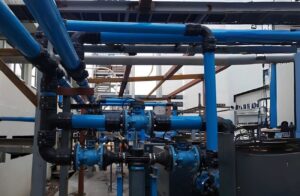
An aluminium compressed air piping system is a network of extruded aluminium pipes and push-fit or press-fit fittings used to distribute compressed air from the compressor room to workstations, machines, and pneumatic tools across a facility. Unlike steel, which needs threading, welding, and heavy support structures, aluminium compressed air systems are modular — built to snap together, reconfigure, and expand without shutting down your production line for days.
According to Atlas Copco’s compressed air piping guide, upgrading from a rough-surfaced steel pipe to a smooth aluminium system can cut pressure losses significantly in real-world installations — a difference that shows up directly on your energy bill.
Steel and galvanized pipe corrode from the inside as moisture in compressed air reacts with the metal. Over months and years, this creates rust flakes that travel downstream, contaminating tools, damaging paint finishes, and clogging fine machinery. Aluminium compressed air pipe is naturally resistant to this kind of oxidation, so the inside of the pipe stays clean for the lifetime of the system — critical for pharmaceuticals, food processing, and electronics manufacturing where air purity standards matter.
A rusted, scaled steel pipe doesn’t just look bad internally — it physically narrows over time and roughens the surface air has to travel across. That friction translates directly into pressure drop, which means your compressor has to work harder to deliver the same air pressure at the point of use. An aluminium compressed air system keeps a smooth, precision-extruded internal bore that maintains efficient, consistent airflow for the system’s entire service life, since there’s no internal corrosion to build up resistance. Our air pipe sizing guide covers how pipe diameter and material both affect pressure drop in more detail.
Aluminium is significantly lighter than steel, which means installation doesn’t require multiple technicians, cranes, or overhead threading work. Push-fit and press-fit connections on an aluminium compressed air piping system eliminate the need for welding or pipe threading entirely — cutting both labor cost and installation downtime.
Factory layouts change. New machines get added, lines get reorganized, floor space gets repurposed. With welded steel piping, any layout change means cutting, rethreading, and often replacing whole sections. Modular aluminium compressed air systems are designed for exactly this kind of flexibility — sections can be added, removed, or rerouted quickly without specialized welding skills or long shutdowns.
Aluminium compressed air piping typically costs more upfront than basic steel or galvanized pipe. But that comparison misses the bigger picture: steel systems lose efficiency every year through internal corrosion, need more frequent maintenance, and eventually require replacement as scale buildup restricts airflow. As Luthra Pneumsys notes in their aluminium vs steel comparison, smooth aluminium systems can meaningfully reduce pressure drop compared to aging steel networks — which usually makes aluminium the lower total-cost option once energy savings and reduced maintenance are factored in.
Any facility where clean, consistent, leak-free compressed air matters — which is nearly all of them — benefits from switching to an aluminium compressed air system.
If you’re evaluating suppliers, a few things separate a good aluminium compressed air piping system from a mediocre one:
The shift from steel to aluminium compressed air piping isn’t just a trend — it’s a direct response to a well-known problem: steel corrodes, narrows, and gets less efficient every year it’s in service. An aluminium compressed air system solves that at the source, delivering cleaner air, lower pressure drop, and a setup that’s genuinely easier to install and modify as your facility grows.
Quickair’s modular aluminium compressed air piping systems are built for exactly this — corrosion-free performance, fast installation, and flexible layouts that grow with your facility. Get a quote from our team or check our air pipe sizing guide to plan your next installation.
Welcome Back 👋
Sign in to access your account and continue where you left off.
Welcome aboard 🚀
Create your account to access everything you need.
Links
Contact Us