
Quickair
Quickair
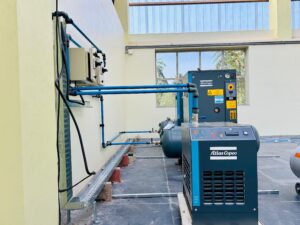
Compressed air is an essential utility in many industries, including manufacturing, automotive, pharmaceuticals, food processing, engineering, electronics, and packaging. From operating pneumatic tools to powering automated machinery, a reliable compressed air distribution system plays an important role in maintaining smooth industrial operations.
However, having an efficient air compressor is only one part of the equation. The compressed air piping system used to distribute air throughout a facility has a major impact on pressure stability, energy efficiency, air quality, and overall operating costs.
This is why selecting the right compressed air piping systems suppliers in India is an important decision for industries looking to improve their compressed air infrastructure.
A compressed air piping system is a network of pipes, fittings, valves, filters, drains, and other components used to transport compressed air from the compressor room to different points of use.
A properly designed system ensures that compressed air reaches machinery at the required pressure and flow rate with minimum pressure loss.
Depending on the application, compressed air piping systems can be made from materials such as:
Aluminium
Stainless steel
Mild steel
Galvanized steel
Specialized plastic or composite piping
The ideal material depends on factors such as operating pressure, temperature, air quality, installation environment, corrosion resistance, and the specific industrial application.
An inefficient piping network can result in pressure drops, leakage, excessive energy consumption, and inconsistent machine performance.
A well-designed compressed air pipeline provides several advantages:
Correct pipe sizing and layout help minimize pressure drops between the compressor and points of use. This allows equipment to receive compressed air at the required pressure.
Air compressors can consume substantial amounts of electricity. An optimized piping network can reduce unnecessary pressure losses and help improve the overall efficiency of the compressed air system.
High-quality pipes and fittings, combined with proper installation, can reduce corrosion, leakage, blockages, and frequent maintenance requirements.
The right piping material can help prevent contamination and corrosion, which is particularly important for industries requiring clean and dry compressed air.
A properly planned compressed air distribution system can be designed with future expansion in mind, making it easier to add new production equipment or additional air outlets.
India has a growing industrial sector, creating increasing demand for reliable compressed air infrastructure. When selecting compressed air piping system suppliers, businesses should look beyond price and evaluate the supplier’s technical expertise and product quality.
Here are some important factors to consider:
The piping material should be suitable for the intended pressure, temperature, and operating conditions. High-quality pipes and fittings can provide better durability and reliability over the long term.
A good supplier should understand compressed air requirements and be able to recommend suitable pipe sizes, fittings, valves, and layouts based on the customer’s application.
Every factory has different requirements. A supplier capable of providing customized piping solutions can design the system according to the plant layout, compressor capacity, air demand, and future expansion plans.
Professional installation is just as important as selecting quality piping products. Poor installation can lead to leakage, pressure loss, and premature system problems.
Look for suppliers that provide technical assistance, maintenance support, replacement components, and troubleshooting services when required.
Compressed air piping systems are used across a wide range of industries.
Automotive manufacturing plants use compressed air for pneumatic tools, assembly lines, painting applications, cleaning, and automated machinery.
Pharmaceutical facilities require carefully designed compressed air systems where air purity and contamination control are critical.
Compressed air is used for packaging, automation, bottling, cleaning, and various production processes. The piping system should be selected according to the required air quality and hygiene standards.
Machine shops and engineering industries use compressed air for CNC machines, pneumatic tools, material handling, automation, and production equipment.
Compressed air can be used for automation, pneumatic controls, cleaning, and specialized textile machinery.
Partnering with an experienced compressed air piping supplier can make the entire process easier, from system planning to installation and maintenance.
A reliable supplier can help businesses:
Select the appropriate piping material
Determine suitable pipe sizes
Design efficient distribution networks
Reduce pressure losses
Improve compressed air availability
Support future plant expansion
Identify and reduce leakage problems
Provide installation and maintenance assistance
There are many companies offering industrial piping products and compressed air solutions in India. However, suppliers can differ significantly in terms of product quality, technical support, customization capabilities, installation expertise, and after-sales service.
Before choosing a supplier, businesses should compare:
Product specifications and quality
Industry experience
Technical consultation
Installation capabilities
Warranty and support
Delivery timelines
Maintenance services
Total project cost
It is also useful to evaluate the supplier based on the total cost of ownership, rather than simply choosing the lowest initial quotation.
A well-designed compressed air piping system is an important part of an efficient industrial facility. The right combination of piping material, correct sizing, professional installation, and regular maintenance can help reduce pressure losses, improve productivity, and control operating costs.
When searching for compressed air piping systems suppliers in India, businesses should consider technical expertise, product quality, customization, installation support, and after-sales service. Choosing a supplier that understands the complete compressed air distribution process can help ensure a reliable and efficient system for both current and future industrial requirements.
If you are planning a new compressed air pipeline or upgrading an existing system, comparing suppliers and obtaining a solution based on your specific application is a practical first step toward building a more efficient compressed air network.
Welcome Back 👋
Sign in to access your account and continue where you left off.
Welcome aboard 🚀
Create your account to access everything you need.
Links
Contact Us